
You delivered the content. The client approved it. Now you are waiting for payment that was due two weeks ago. This scenario happens to UGC creators constantly.
According to a Tipalti/Wakefield study, 90% of creators have experienced payment issues including late payments, incorrect amounts, or never getting paid at all. The same research found that 70% of creators agree that admin tasks like invoicing and payment tracking prevent them from creating content full time.
If you manage 10 to 20 brand deals per month, you need a system for tracking who has paid and who has not. Without one, unpaid invoices pile up and your income becomes unpredictable.
The Numbers Behind Late Creator Payments
The Tipalti research also found that 41% of creators increased their rates specifically to compensate for the hassle of chasing payments. For these creators, late payment is not just an inconvenience. It is a direct cost of doing business.
One in three creators surveyed said that time spent on invoicing, tracking, and disputes was their biggest payment obstacle. With most creators managing 10 to 20 or more brand deals per month, the tracking workload adds up fast.
Lumanu reported in 2025 that payment delays can stretch from months to over a year beyond agreed terms. Some creators have reported Net 120 payment terms. Others deal with brands that stop communicating after content goes live.
Why Accounts Receivable Matters for UGC Creators
Accounts receivable is the money clients owe you for work you have already completed. When you do not track it, you cannot tell which invoices are overdue, which brands pay late consistently, or how much unpaid work you have in your pipeline.
Without tracking, a payment due in 30 days can quietly become a payment due in 60 days. Then it becomes 90 days. Then it becomes a write off.
How to Track Aging Invoices in Your Brand Deal Workflow
Aging invoices are unpaid invoices grouped by how long they have been overdue. Common aging buckets are 0 to 30 days, 31 to 60 days, 61 to 90 days, and over 90 days. Tracking these buckets helps you see at a glance which payments need attention.
Set Up a Payment Terms Dashboard
Record every brand deal with its payment terms before you deliver content. Include the due date, the agreed amount, and the invoice date. Update the status each week.
This dashboard should show you a single number: your total outstanding accounts receivable. It should also show you how much of that total is in each aging bucket.
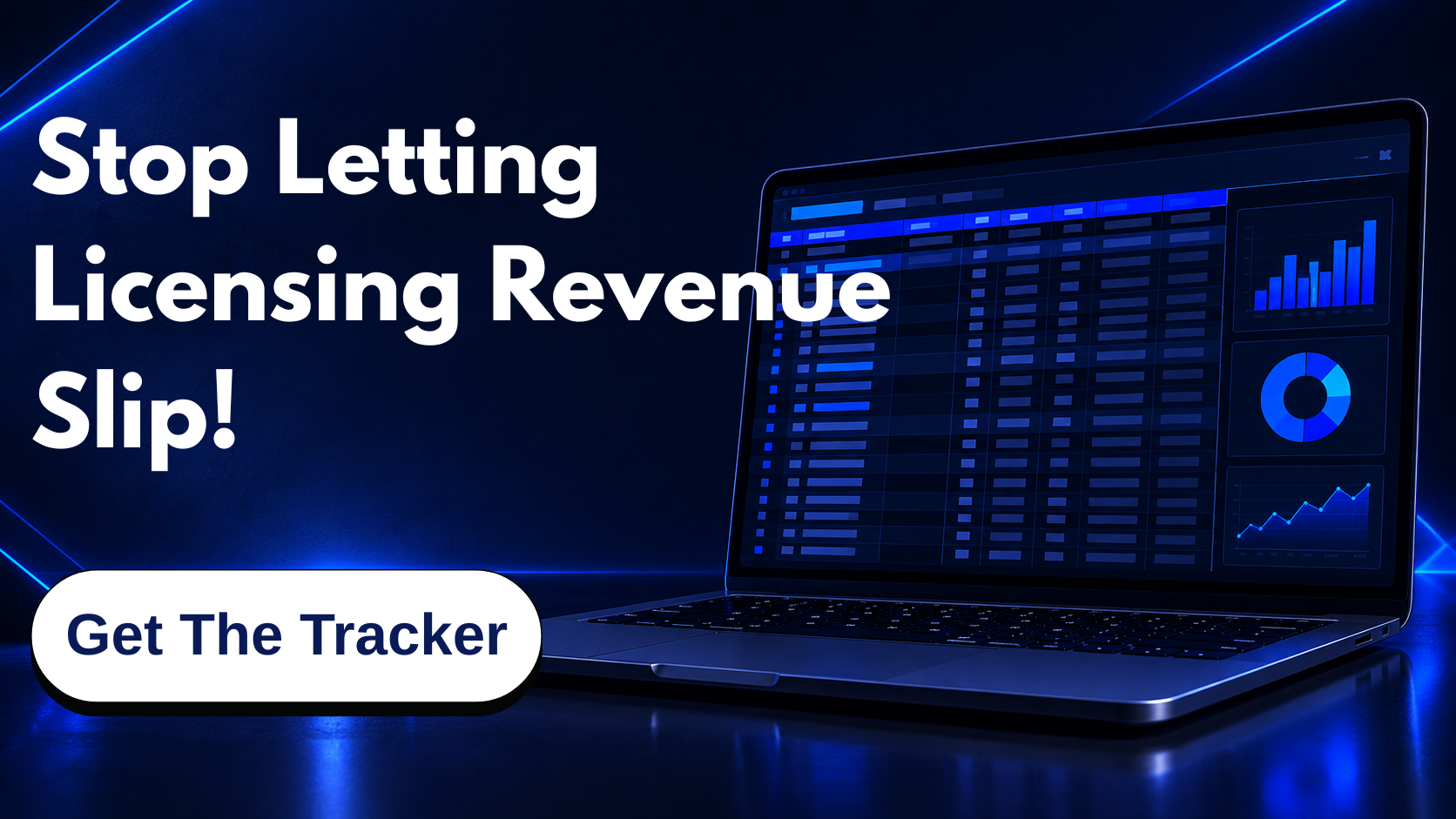
Your UGC Brand Deal Tracker can serve as this dashboard. If you already track deals in it, add columns for invoice date, due date, payment received date, and current aging status.
Automate Payment Reminders
UGC Roster’s review of DuPayMe found that automated payment reminders improve payment rates by 30%. One creator using the platform reduced their average payment time from 45 days to 20 days.
Most invoicing tools and payment platforms let you schedule reminder emails. Set reminders to go out three days before the due date, on the due date, and three days after the due date.
Build a Follow Up Sequence
When a payment passes its due date, send a polite check in email. Wait five business days and send a firmer follow up. After 10 business days past due, switch to a formal payment request.
Keep a log of every follow up you send. Include the date, the method, and the brand representative you contacted. This record helps you escalate to proper channels if needed.
What to Do When a Brand Does Not Pay
If a brand stops responding after you have sent multiple follow ups, check your contract for escalation provisions. Some contracts specify a late fee or interest after a certain number of days past due.
Lumanu reports that some creators have turned to legal action to recover unpaid fees. The same article notes that the biggest risk to a brand is their reputation.
Before taking legal steps, send a final notice that states a clear deadline for payment. State what action you will take if the deadline passes without payment.
The Real Cost of Unpaid Invoices
Unpaid invoices do not just reduce your income. They also waste the time you spend on follow ups instead of creating content. Learn more in our article on the real cost of not tracking your whitelisting codes.
When you factor in the time spent on invoicing, tracking, and disputes, a brand deal that never pays costs you more than the lost fee. It costs you the opportunity to work with a paying client during that same period.
Tracking your accounts receivable helps you make better decisions about which brands to work with. If a brand has a pattern of paying late or not paying at all, that data should inform your future decisions.
Make Accounts Receivable Part of Your Rate Negotiation Strategy
The Tipalti research found that 72% of creators say automatic payments are important when choosing a brand to work with. You can include payment terms as a factor in your rate calculations.
If a brand pays net 90 while another brand pays net 15, the net 90 brand should compensate you for the delay. Your accounts receivable data gives you the evidence to make this argument. For more on this, read our guide on 4 data points your UGC brand deal tracker needs to track for smarter rate negotiation.
Build a System That Gets You Paid
Managing accounts receivable is a core part of running a UGC business. A structured tracking system reduces the time you spend chasing payments and increases the likelihood that you get paid on time.
Start with a dashboard. Add reminders. Follow up consistently. Track every aging invoice until the payment clears.
If you already track your brand deals, expanding your tracker to include accounts receivable is a natural next step. See our guide on the UGC license renewal pipeline for another way to apply this same tracking approach to your brand deal contracts.